
The Future of Scooting: Innovations You Need to Know About

The world of scooting is evolving rapidly, driven by technological advancements and a growing emphasis on sustainability. As urban areas become more congested, the need for efficient and eco-friendly transportation options has never been more critical. This article explores the latest innovations in scooting, highlighting their benefits and practical applications for users.
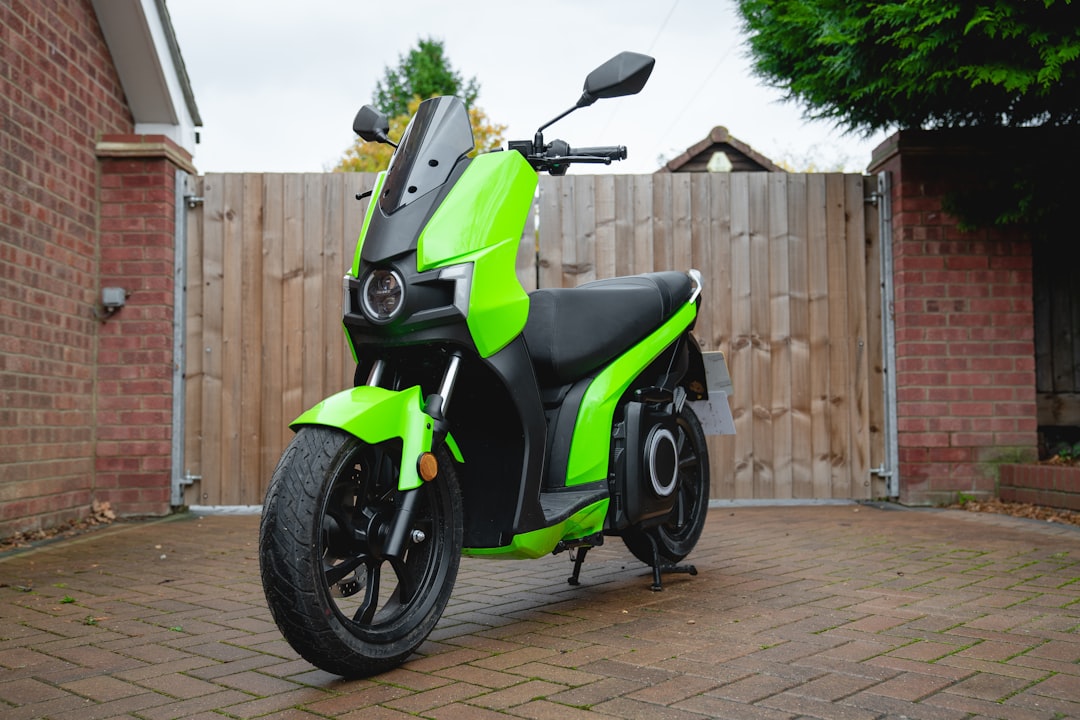
One of the most significant trends in the scooting industry is the rise of electric scooters. These vehicles offer a convenient and environmentally friendly alternative to traditional gas-powered transportation. With advancements in battery technology, electric scooters now provide longer ranges, faster charging times, and improved performance. Users can enjoy a smooth ride while reducing their carbon footprint, making electric scooters an attractive option for eco-conscious commuters.
Another innovation transforming the scooting landscape is the integration of smart technology. Many modern scooters come equipped with GPS tracking, mobile app connectivity, and advanced safety features. These enhancements not only improve the user experience but also provide valuable data for manufacturers and city planners. For instance, GPS tracking allows users to locate nearby scooters easily, while data analytics can help cities optimize scooter placement and reduce congestion.
Safety is a paramount concern for scooter users, and recent innovations are addressing this issue head-on. Enhanced braking systems, improved lighting, and better stability features are becoming standard in new models. Additionally, some companies are developing smart helmets that can connect to scooters, providing real-time data on speed and location while ensuring the rider’s safety.
Local governments are also playing a crucial role in the future of scooting. Many cities are implementing regulations and infrastructure improvements to support scooter use. This includes dedicated scooter lanes, parking zones, and charging stations, making it easier and safer for users to navigate urban environments. As cities adapt to the growing popularity of scooting, users can expect a more integrated and supportive ecosystem.
The future of scooting is not just about individual users; it also encompasses community benefits. Shared scooter programs are gaining traction, allowing users to rent scooters for short trips. This model reduces the need for personal vehicle ownership, leading to fewer cars on the road and decreased traffic congestion. Moreover, shared scooters can provide an affordable transportation option for those who may not have access to a car.
In conclusion, the future of scooting is bright, with innovations that cater to the needs of users while promoting sustainability and safety. As electric scooters, smart technology, and supportive infrastructure continue to develop, users can look forward to a more efficient and enjoyable scooting experience. Whether commuting to work, running errands, or exploring a new city, the innovations in scooting are set to revolutionize how we think about personal transportation.
Step-by-step plan:
Step 1: Research the latest electric scooter models and their features.
Step 2: Explore smart technology integrations in modern scooters.
Step 3: Investigate local regulations and infrastructure supporting scooting.
Step 4: Consider the benefits of shared scooter programs in your area.