
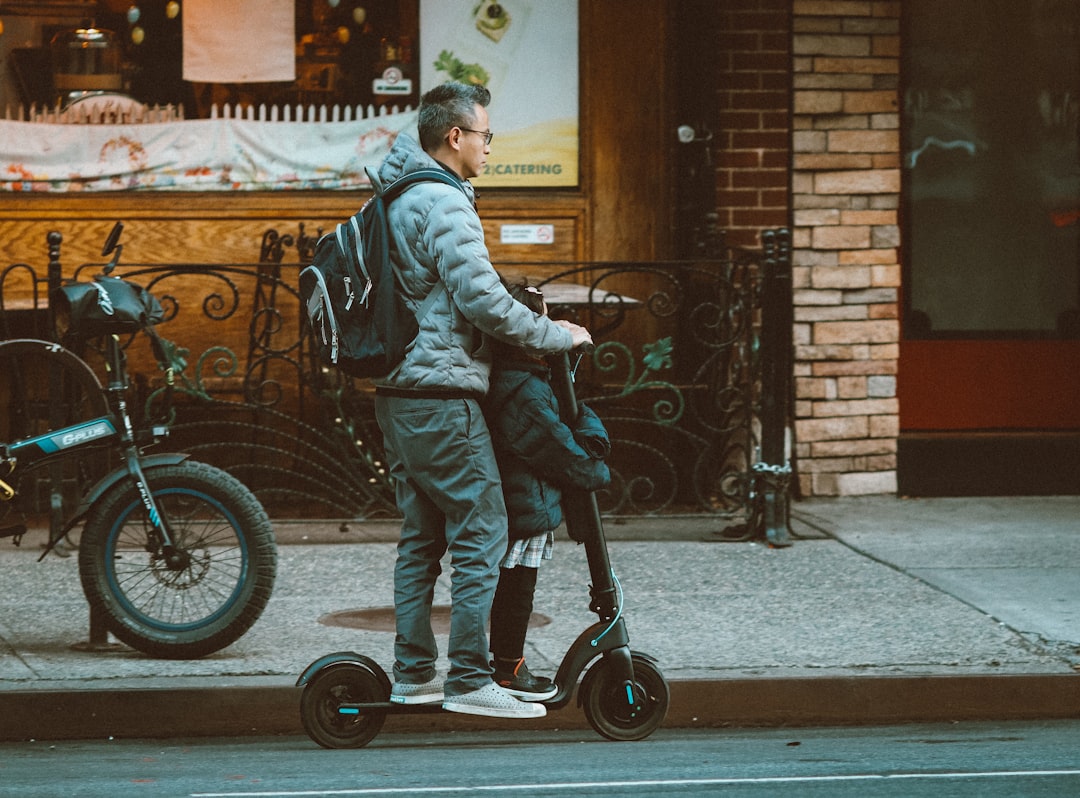
The Benefits of Riding Scooters for Urban Commuting

In today’s fast-paced urban environment, finding efficient and eco-friendly modes of transportation is essential. One solution that has gained popularity is riding scooters for urban commuting. This article explores the numerous benefits of using scooters, addressing common misconceptions and providing insights into how they can enhance your daily commute.
Myth: Scooters are only for kids and are not a serious mode of transportation.
Truth: While scooters are often associated with childhood fun, they have evolved into a practical and efficient means of transportation for adults. Modern electric scooters are designed for stability, speed, and comfort, making them suitable for commuting in urban settings.
One of the primary advantages of riding scooters is their ability to navigate through congested traffic. Unlike cars, scooters can easily maneuver through tight spaces and crowded streets, allowing commuters to reach their destinations faster. This can significantly reduce travel time, especially during peak hours when traffic is at its worst.
Additionally, scooters are an environmentally friendly option. With growing concerns about climate change and pollution, many urban dwellers are seeking sustainable alternatives to traditional vehicles. Riding a scooter produces zero emissions, making it a greener choice that contributes to cleaner air and a healthier planet.
Another benefit is the cost-effectiveness of using scooters. Owning and maintaining a scooter is generally less expensive than a car. There are no fuel costs, and maintenance is minimal. Many cities also offer scooter-sharing programs, allowing users to rent scooters on an as-needed basis, further reducing expenses.
Myth: Riding a scooter is dangerous and not safe for commuting.
Truth: While safety is a valid concern, riding scooters can be safe when proper precautions are taken. Wearing a helmet, following traffic rules, and being aware of your surroundings can significantly reduce the risk of accidents. Many urban areas are also improving infrastructure to accommodate scooters, including designated lanes and parking areas.
Scooters also promote a healthier lifestyle. Commuting on a scooter involves physical activity, which can help improve fitness levels. The act of balancing and steering engages core muscles, and the added movement can contribute to overall well-being. For those looking to incorporate more exercise into their daily routine, riding a scooter is an excellent way to do so.
Moreover, scooters offer flexibility and convenience. They are lightweight and portable, making them easy to carry onto public transportation or store in small spaces. This versatility allows commuters to combine different modes of transport, such as riding a scooter to the train station, which can enhance the overall commuting experience.
In conclusion, riding scooters for urban commuting presents a multitude of benefits, from reducing travel time and costs to promoting environmental sustainability and personal health. By addressing common myths and highlighting the practical outcomes of using scooters, it becomes clear that they are a viable and attractive option for urban dwellers. As cities continue to evolve, embracing scooters as a legitimate mode of transportation can lead to more efficient, enjoyable, and eco-friendly commuting experiences.